When the robot
gives the cue.
Does it matter whether a cue comes from a screen or a robot? We followed 31 older adults through seven cognitive tasks, tracing what they saw, when they responded, and when they held back.
ages 60 and up
fixed sequence
tablet or tablet + robot
The protocol
Inside the seven tasks.
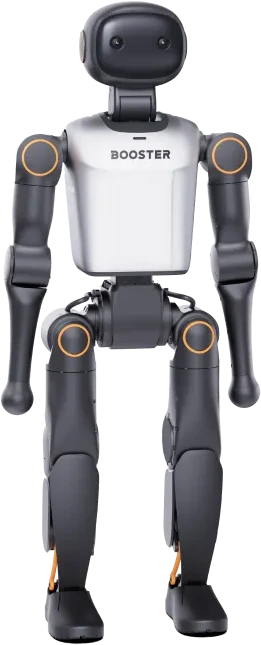
Everyone followed the same sequence. The iPad ran every task. In the robot condition, K1 spoke between tasks and provided movement cues during hand shape and direction matching.
Cue studio
Follow one cue.
In direction matching, tap when the movement and spoken word agree. If they conflict or the arm stays still, let the five-second window pass. Try both delivery conditions and inspect your event record.
Ready to run a trial.
Event record
From cue to response.
The field app tied task order, cue timing, taps and timeouts to the same session. The robot bridge also reported movement readiness. Run a trial above to generate a browser-only example.
- Waiting for the first cue…
Inside a field session package
The iPad saved a session record and task-specific files. In the field-v4 workflow, a paired Mac checked file size, SHA-256 hashes and media readability. Explore the structure below.
Field findings
When holding back counts.
Older adults were randomly assigned to two groups: fifteen used the iPad alone and sixteen used it with K1. All 31 reached the end. Looking at individual response types reveals patterns that a single score would hide.
See outcomes for all seven tasks
Each row uses its own response unit. Eligible participants are listed in tablet / robot order. Rates describe these groups and do not form a clinical score.
| Task / measure | Tablet | Tablet + robot | Eligible people |
|---|
Drawing allowed corrections and the tutorials differed between conditions. Hand-shape counts use 305 recorded windows. Delayed recognition requires standard three-target encoding.
Download aggregate table ↓